
Morpheus8 vs. Forma: Which Skin-Tightening Treatment Should You Choose?
Compare Morpheus8 Burst RF microneedling and Forma non-invasive radiofrequency treatment, including concerns, comfort, downtime, and treatment goals.
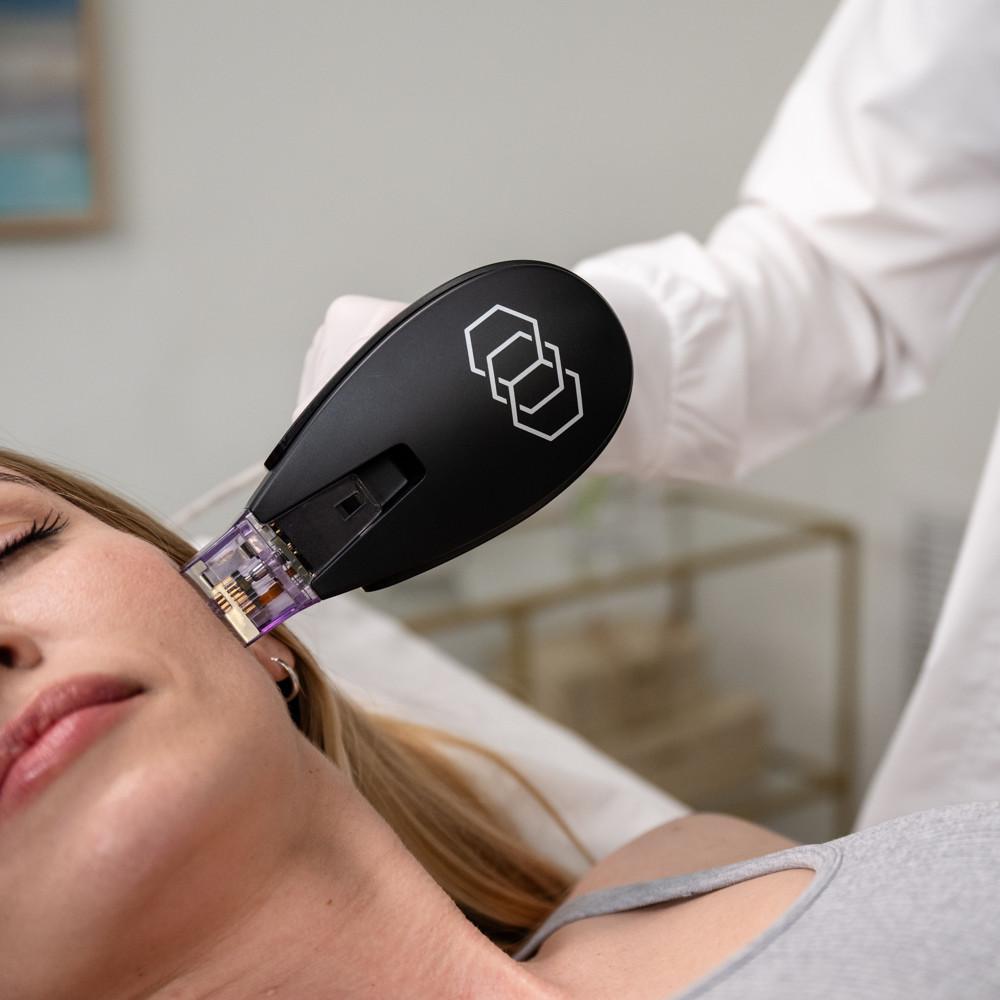
Morpheus8 Burst and Forma both use radiofrequency energy to support collagen production and improve skin firmness. That shared technology can make them sound interchangeable, but the treatment experience, depth, recovery, and ideal goals are different.
Understanding those differences can help you have a more productive consultation and choose a plan that fits both your skin and your schedule.
What is Morpheus8 Burst?
Morpheus8 Burst combines microneedling with fractionated radiofrequency energy. Gold-coated micro-pins enter the skin and deliver controlled energy at adjustable depths. Burst mode allows energy to reach multiple tissue layers in a single pass.
This combination makes Morpheus8 useful when skin texture and firmness need to be addressed together. Common concerns include:
- Fine lines and wrinkles
- Acne scarring
- Enlarged pores
- Uneven texture
- Mild skin laxity
- Stretch marks
A topical numbing cream is applied before treatment. Redness and swelling resembling a mild sunburn may occur for one to two days. The recommended number of sessions depends on your concerns; a series may be advised for more comprehensive improvement.
What is Forma?
Forma is a non-invasive radiofrequency treatment. It gently heats the dermis without needles, while built-in temperature monitoring helps maintain even, controlled energy delivery.
Forma is often selected for patients seeking:
- Subtle skin tightening
- Improved firmness and elasticity
- A smoother, more radiant appearance
- A comfortable treatment without numbing
- No planned recovery time
A session generally feels like a warm facial massage and takes approximately 30 to 45 minutes, depending on the area. Patients can return to normal activities afterward. Results are progressive, and a series with periodic maintenance is commonly recommended.
The main differences
The most important distinction is how the energy reaches the tissue. Morpheus8 uses microneedles to deliver RF energy at selected depths. Forma heats the tissue externally without breaking the skin.
As a result, Morpheus8 is typically the more intensive option and can address texture concerns such as acne scars and enlarged pores in addition to laxity. Forma is gentler and particularly well suited to ongoing maintenance, subtle firming, or preparation for an event when downtime is not desirable.
Which treatment has less downtime?
Forma has no expected downtime, although temporary warmth or redness may occur. Morpheus8 generally involves mild redness and swelling for one to two days, and individual recovery can vary.
Your schedule matters. If you have an important event approaching, tell your provider so treatment timing can be planned appropriately.
Which option produces better results?
“Better” depends on what needs to be treated. Forma may be the better match for a patient seeking gentle tightening, radiance, and regular maintenance. Morpheus8 may be preferable when texture, acne scarring, pores, wrinkles, and deeper collagen remodeling are priorities.
Some patients may benefit from using the treatments at different points in a broader plan rather than treating them as mutually exclusive choices.
How treatment schedules differ
Both treatments are often planned as a series, but the experience of that series is different. Morpheus8 sessions are commonly spaced several weeks apart to allow healing and collagen remodeling. The service plan may involve approximately three treatments, although the recommendation changes with the concern and response.
Forma is often used more regularly because there is no planned downtime. A series supports progressive collagen stimulation, and maintenance sessions may be used to preserve firmness and radiance.
The number of appointments alone should not determine your choice. Three more intensive sessions and several gentle treatments do not represent the same process. Consider the total plan, including recovery, event timing, maintenance, and the kind of change you are seeking.
Which concerns point toward Morpheus8?
Morpheus8 may deserve consideration when the concern involves both the surface and deeper layers of the skin. Examples include acne scarring accompanied by uneven texture, enlarged pores with early laxity, or wrinkles and crepiness that need more than a temporary glow.
Because needle depth and RF intensity are adjustable, treatment can be tailored to the area and concern. Greater intensity is not always appropriate, however. Safe planning considers skin characteristics, treatment history, the body area involved, and how much recovery the patient can manage.
Which concerns point toward Forma?
Forma may be a better starting point when the desired change is subtle firming, improved elasticity, or radiance without needles. It can suit a patient who wants a comfortable maintenance treatment or needs to return immediately to work and social activities.
It may also appeal to someone who is new to energy-based treatments and prefers a gentler experience. Expectations remain important: a no-downtime treatment generally should not be expected to reproduce the change of a more intensive procedure.
Can Morpheus8 and Forma be combined?
They may occupy different roles in a longer-term skin plan. Morpheus8 can provide periodic, more intensive collagen remodeling, while Forma can support ongoing maintenance between larger treatment milestones. Whether that combination makes sense depends on the person’s skin, budget, schedule, and priorities.
Combining devices should have a clear purpose. Treatments should not simply be stacked because both are available. Dr. Wong can explain what each step is intended to contribute and how sessions should be spaced.
Face and body applications
Morpheus8 is not limited to the face. It can be used on selected areas of the face, neck, and body to address laxity, texture, acne scarring, and stretch marks. Treatment depth and settings are adjusted for the tissue being treated.
Forma is most commonly used on the face, jawline, and neck, but selected body areas may also be considered. As with any energy-based treatment, the fact that a device can be used on an area does not mean it is the best option for every concern. The degree of laxity and the size of the area influence whether the likely improvement justifies the treatment plan.
Questions to ask during consultation
- Is my primary concern texture, laxity, radiance, or a combination?
- How many sessions are you recommending, and why?
- What recovery should I expect after each appointment?
- How should treatment be timed around an event or travel?
- Would maintenance be useful after the initial series?
- Is another treatment more appropriate for the degree of laxity I have?
Start with the concern, not the device
The most useful consultation begins with what you see in the mirror and what level of treatment you are comfortable with. Dr. Keith Wong assesses skin quality, laxity, treatment history, tolerance for downtime, and goals before recommending an approach.
Explore Morpheus8 Burst and Forma, then request a consultation at MD Glow Lab for a personalized recommendation.
Begin Your Glow Journey
Experience the art of science-driven beauty - refining your glow and elevating your confidence through natural results by Dr Keith Wong.
Have a question about which treatment is right for you? Send us an inquiry, or book your appointment online when you are ready.
