
What Does Lumecca Peak Treat? IPL for Pigmentation and Facial Redness
Learn how Lumecca Peak IPL targets sun damage, pigmentation, age spots, redness, and visible vessels, including treatment and recovery expectations.
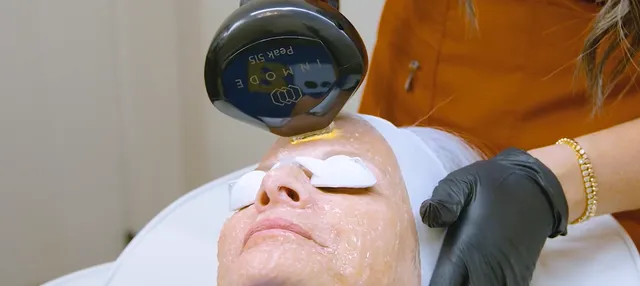
Pigmentation and facial redness can make the complexion appear uneven even when the skin feels smooth. These colour-related concerns often require a different strategy from treatments designed primarily for texture or laxity. Lumecca Peak uses intense pulsed light, commonly called IPL, to target unwanted pigment and vascular redness.
How does IPL work?
Lumecca Peak delivers controlled pulses of broad-spectrum light to the skin. Specific colours within the skin absorb that light. Melanin is targeted when treating brown pigmentation, while hemoglobin is targeted when treating vascular redness.
The treated pigment or vessel is gradually cleared through the body’s natural processes. This can create a brighter and more even-looking complexion over time.
IPL is different from a single-wavelength laser. The device and its settings must be selected carefully for the person’s skin tone and the concern being treated.
What concerns can Lumecca Peak address?
Lumecca Peak may be used to improve:
- Sun spots and sun damage
- Freckles and age spots
- Uneven pigmentation
- Facial redness
- Visible small vessels and broken capillaries
- Redness associated with rosacea
- Overall tone and brightness
Not every brown or red spot should be treated with IPL. A clinical assessment is important before treatment, particularly for a new, changing, or unusual pigmented lesion.
Pigment and redness are not all the same
Two spots that look similar in a bathroom mirror may have different causes. Brown discoloration can come from freckles, cumulative sun exposure, post-inflammatory changes, or other pigment conditions. Redness may reflect visible vessels, diffuse flushing, inflammation, or rosacea.
IPL works best when the target is appropriate for light-based treatment. Identifying what creates the colour is therefore more important than simply labelling the problem “uneven tone.” In some cases, skincare, another device, or medical assessment may be more appropriate.
The depth of pigment matters as well. Surface pigment may respond differently from pigment located deeper in the skin. A consultation helps establish what improvement is realistic and whether multiple approaches are needed.
What does treatment feel like?
A typical appointment takes about 30 minutes, depending on the size and number of areas being treated. Cooling gel is applied, and each pulse may feel like a brief warm snap against the skin. Numbing is generally not required.
Settings are customized according to skin tone, treatment area, and the type of pigment or redness present. This customization is an important part of both safety and results.
What happens after IPL?
Mild redness or sensitivity may occur after treatment. Brown spots can temporarily become darker before they flake or fade. This is an expected part of the pigment-clearing process, but the precise response differs between patients.
Most people can return to their normal routine immediately. Gentle skincare and diligent sun protection are especially important while the skin recovers. Your provider will give you aftercare instructions based on your treatment.
Temporary darkening of brown spots can be surprising if you are not expecting it. Avoid picking or scrubbing these areas as they clear. The goal is to let the skin’s normal renewal process take place while protecting it from irritation and additional ultraviolet exposure.
How should I prepare for treatment?
Tell your provider about recent sun exposure, tanning, medications, skincare products, previous light or laser treatments, and any history of unusual sensitivity. A tan changes the amount of melanin present in the surrounding skin and can affect treatment planning.
Your provider may ask you to adjust particular active skincare ingredients before or after the appointment. Follow the instructions given for your skin rather than relying on a generic online checklist.
Arrive with a clear understanding of the area you want treated. Photographs showing how redness changes during a flare can also be useful when it is less visible on the day of consultation.
How many sessions will I need?
Some patients notice visible improvement after one appointment, but a series is commonly recommended for optimal correction. At MD Glow Lab, three sessions may be recommended, with the plan adjusted according to the concern and how your skin responds.
Maintenance treatments can help preserve clarity, particularly when combined with daily broad-spectrum sunscreen and an appropriate skincare routine. New sun exposure can create new pigmentation even after existing spots have improved.
Progress should be assessed over the series rather than immediately after each pulse. Pigment needs time to darken and clear, while vascular redness may change gradually. The response to an early session also helps guide later settings and treatment intervals.
When is a good time to have IPL?
IPL requires careful attention to sun exposure before and after treatment. Many patients find it easier to schedule a series during times of year when they can consistently avoid tanning and protect the treated area.
That does not mean treatment is limited to a single season. It means recent exposure, upcoming travel, outdoor activities, and the ability to use sun protection should be part of planning. If you have a sunny vacation or outdoor event approaching, discuss the timing before booking.
Is Lumecca Peak suitable for every skin tone?
Lumecca Peak is generally best suited to lighter and medium skin tones. Higher levels of melanin in the skin require particular caution because the treatment energy may be absorbed by surrounding skin as well as the intended target.
Dr. Keith Wong assesses your skin tone, treatment history, sun exposure, and the nature of the discoloration before recommending IPL. Another treatment may be more appropriate when IPL does not offer a suitable safety profile.
IPL compared with resurfacing and skin tightening
Lumecca Peak primarily targets colour: brown pigment and vascular redness. It is not the same as a resurfacing treatment for acne scars or a tightening treatment for lax skin.
Morpheus8 Burst, for example, combines microneedling with radiofrequency energy and is more directly focused on texture, pores, scars, wrinkles, and collagen remodeling. Forma is a non-invasive RF treatment used for subtle firming and radiance.
A patient may have pigmentation, texture, and laxity at the same time. Treating all three concerns with one device may not be realistic. A phased plan can address the most visible concern first and introduce other treatments when appropriate.
Questions to ask before IPL
- Is my discoloration primarily pigment, redness, or both?
- Is IPL appropriate for my skin tone and recent sun exposure?
- How many sessions should I plan for?
- What temporary darkening or redness should I expect?
- Which skincare products should I pause or continue?
- How should I time treatment around travel and outdoor activities?
- Would another treatment better address my texture or firmness concerns?
A clearer plan for uneven colour
Pigmentation, redness, and texture can occur together, but they do not always respond to the same device. A personalized plan identifies which concern is contributing most to what you see and selects treatment accordingly.
Learn more about Lumecca Peak at MD Glow Lab or request a consultation to discuss pigmentation and facial redness with Dr. Wong.
Begin Your Glow Journey
Experience the art of science-driven beauty - refining your glow and elevating your confidence through natural results by Dr Keith Wong.
Have a question about which treatment is right for you? Send us an inquiry, or book your appointment online when you are ready.
